

An Innovative Technology for a Sustainable Future

Applications of Membrane Filtration
Membrane filtration is an innovative technology used across many sectors, including the food and beverage industry as well as the chemical and pharmaceutical industries.
It can also play a major role in water recycling to help secure a sustainable future with less pollution, while supporting greener agriculture.
From Slurry to Potable Water
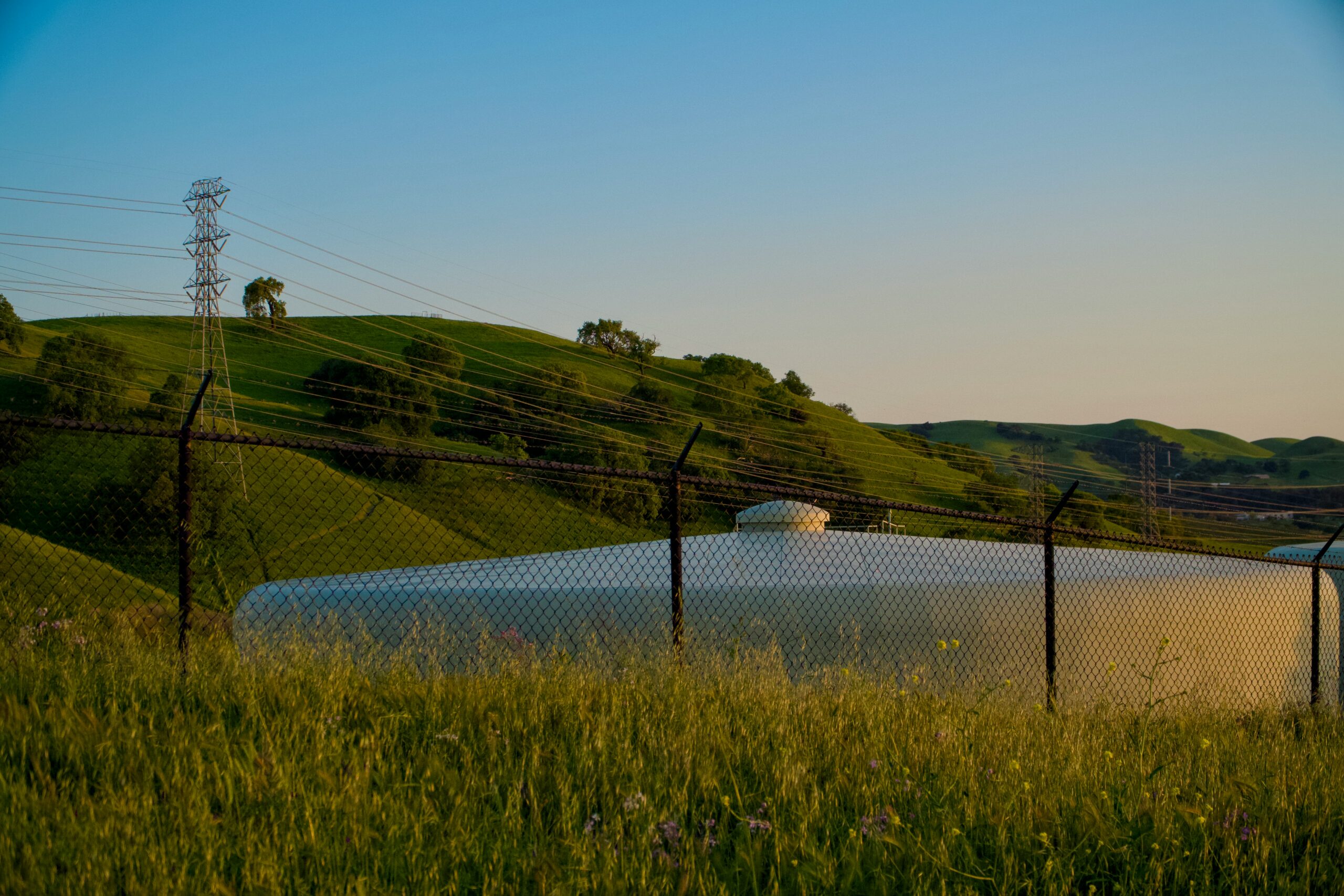
For several decades now, agricultural effluents have increasingly been used for biogas production and subsequently spread onto fields. Because this wastewater is of high water content, its storage and transport are relatively expensive. The idea, to reduce these volumes, is to extract a significant amount of water, thereby decreasing storage volumes and limiting transport costs.
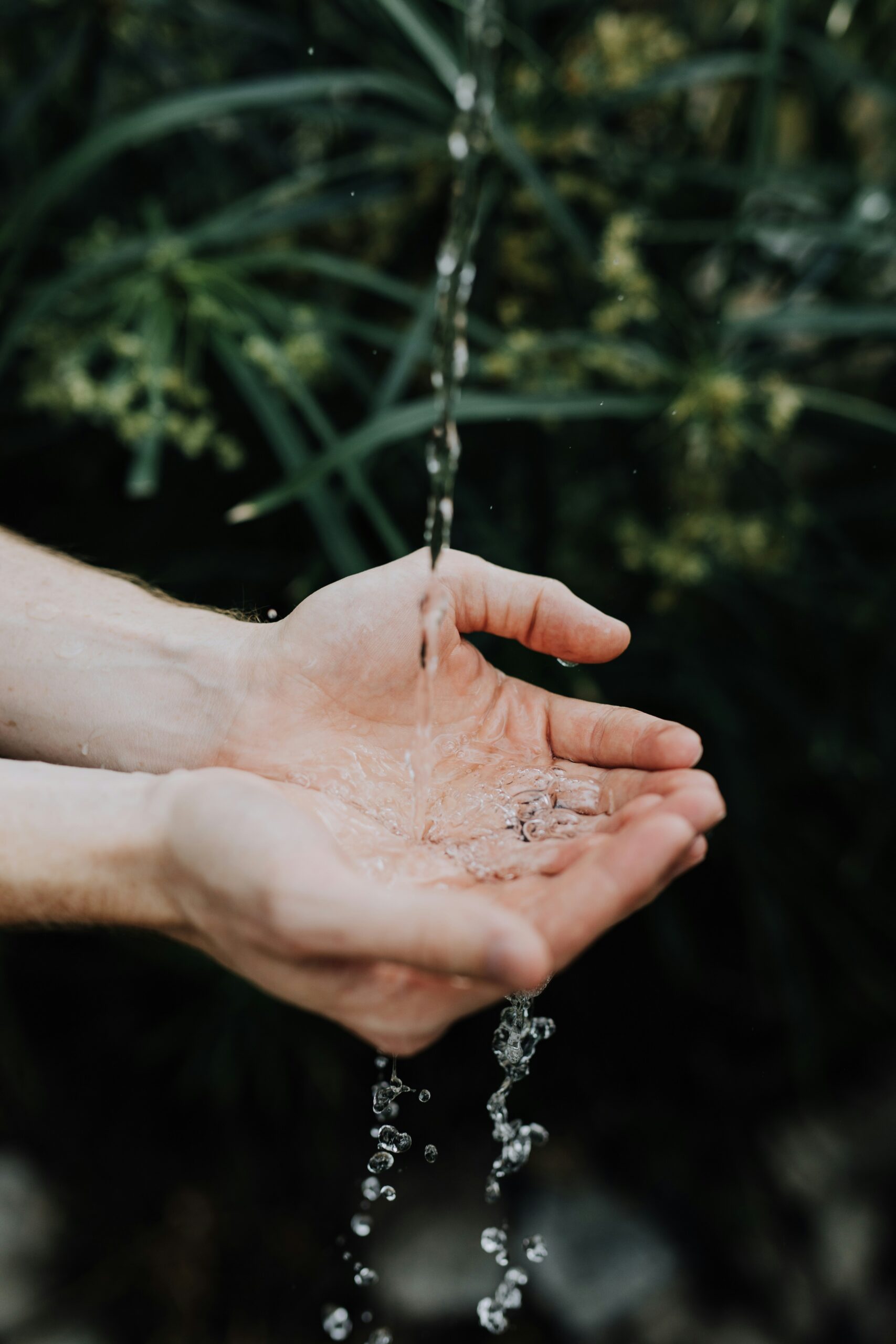
From Slurry to Drinking Water
Membrane filtration is one of the processes adopted to accomplish this task. However, as these effluents have a very high organic load, the filtration process tends to foul after only a few minutes.
After optimising the process flow, we have succeeded in operating the system for 8 hours without any significant decline in performance.
Heavy Metal Removal
Membrane filtration also enables the efficient removal of heavy metals from water. Tests on wash waters have shown that heavy metal concentrations could be reduced from 16 mg/l to 3 μg/l.
Glycol Concentration Reduction
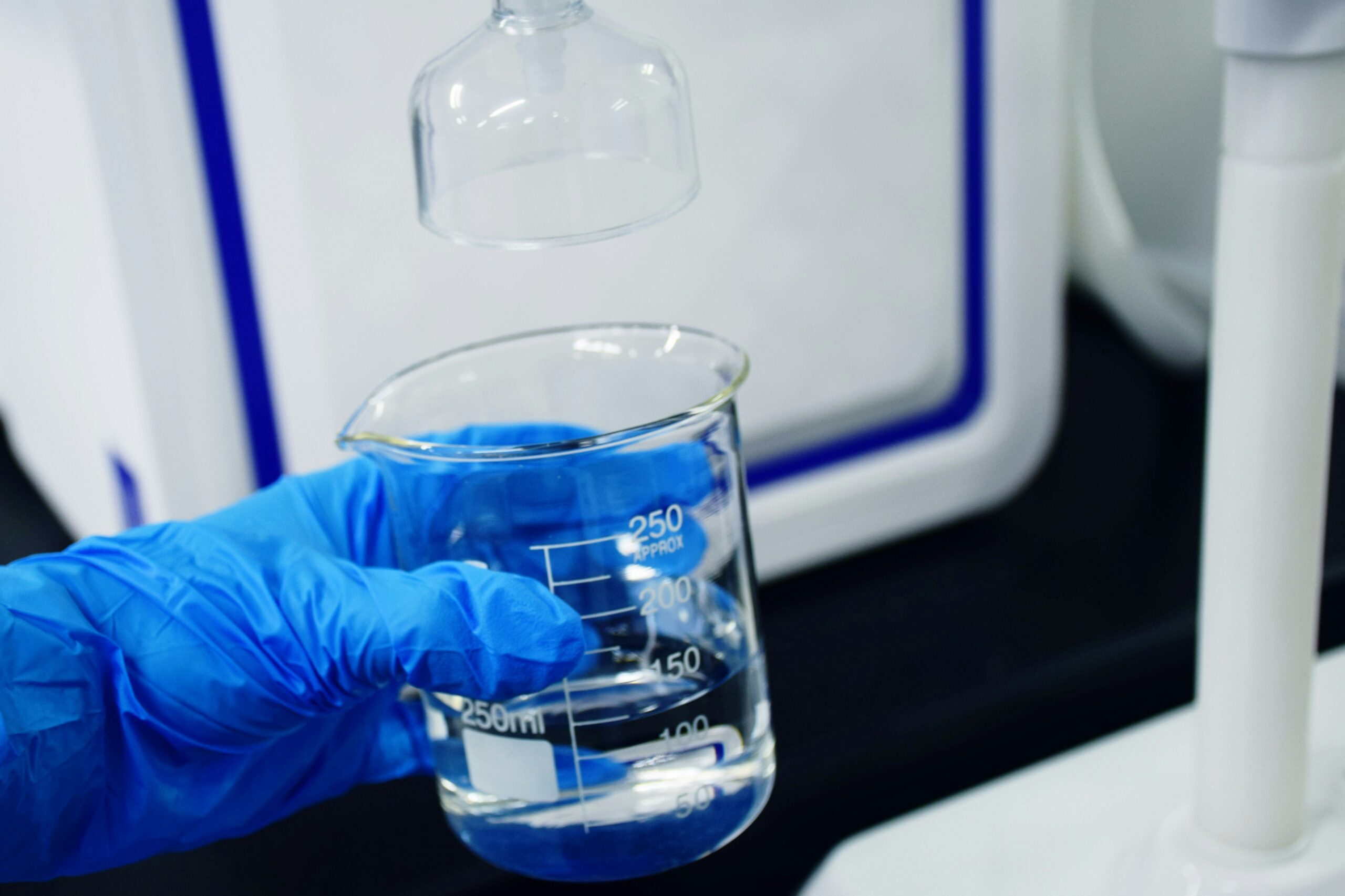
A suitably designed membrane filtration unit can significantly reduce glycol concentrations in airport de-icing wastewaters.
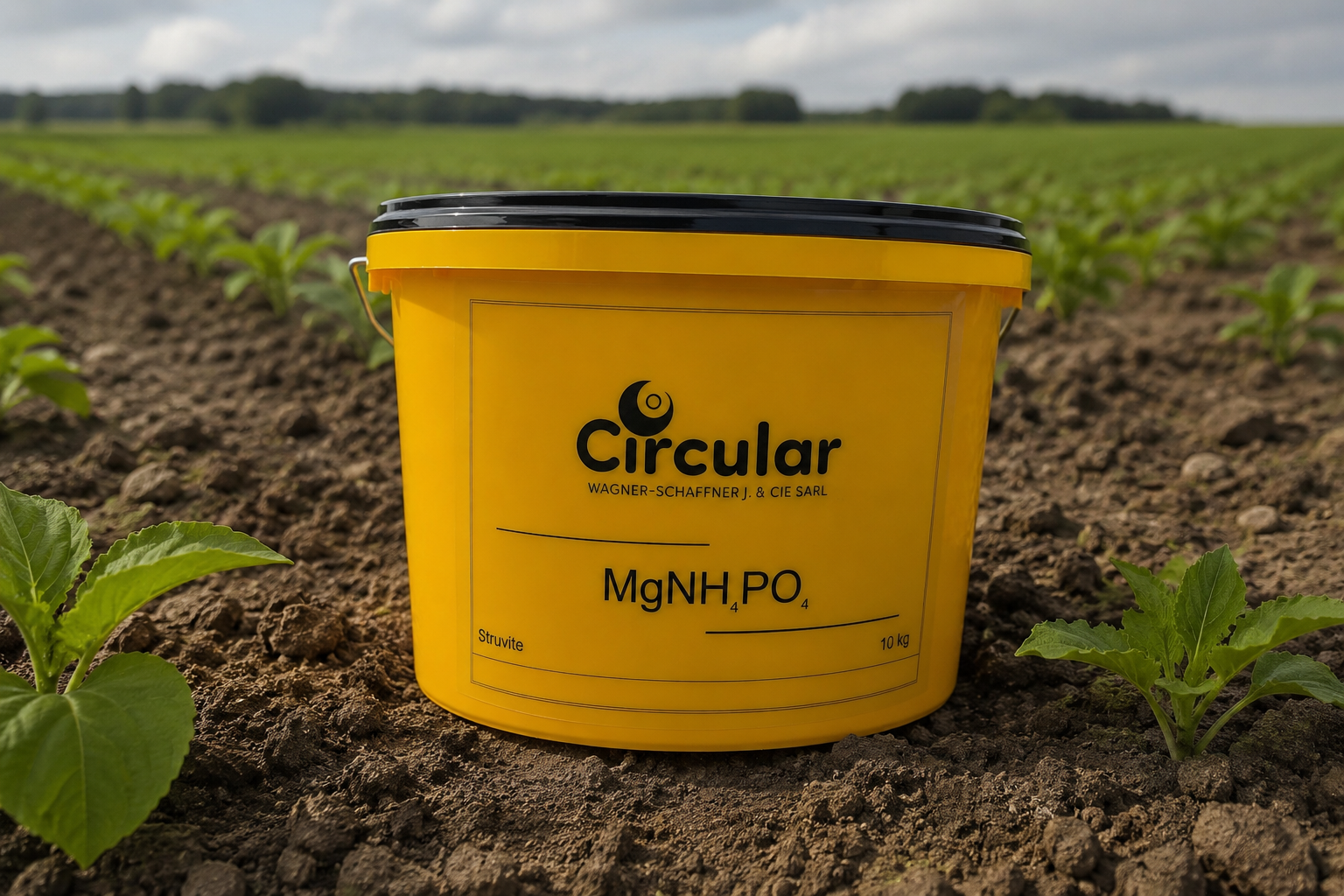
Precipitation / Crystallisation
In wastewater treatment plants, the produced sludge is dewatered at the end of the process to reduce transport volumes and limit incineration costs. This dewatering is most commonly carried out using centrifuges or filter presses.
The resulting press water contains concentrations that are too high for direct discharge into the natural environment, since phosphorus and ammonium contribute to the eutrophication of aquatic environments. Further treatment is therefore essential.
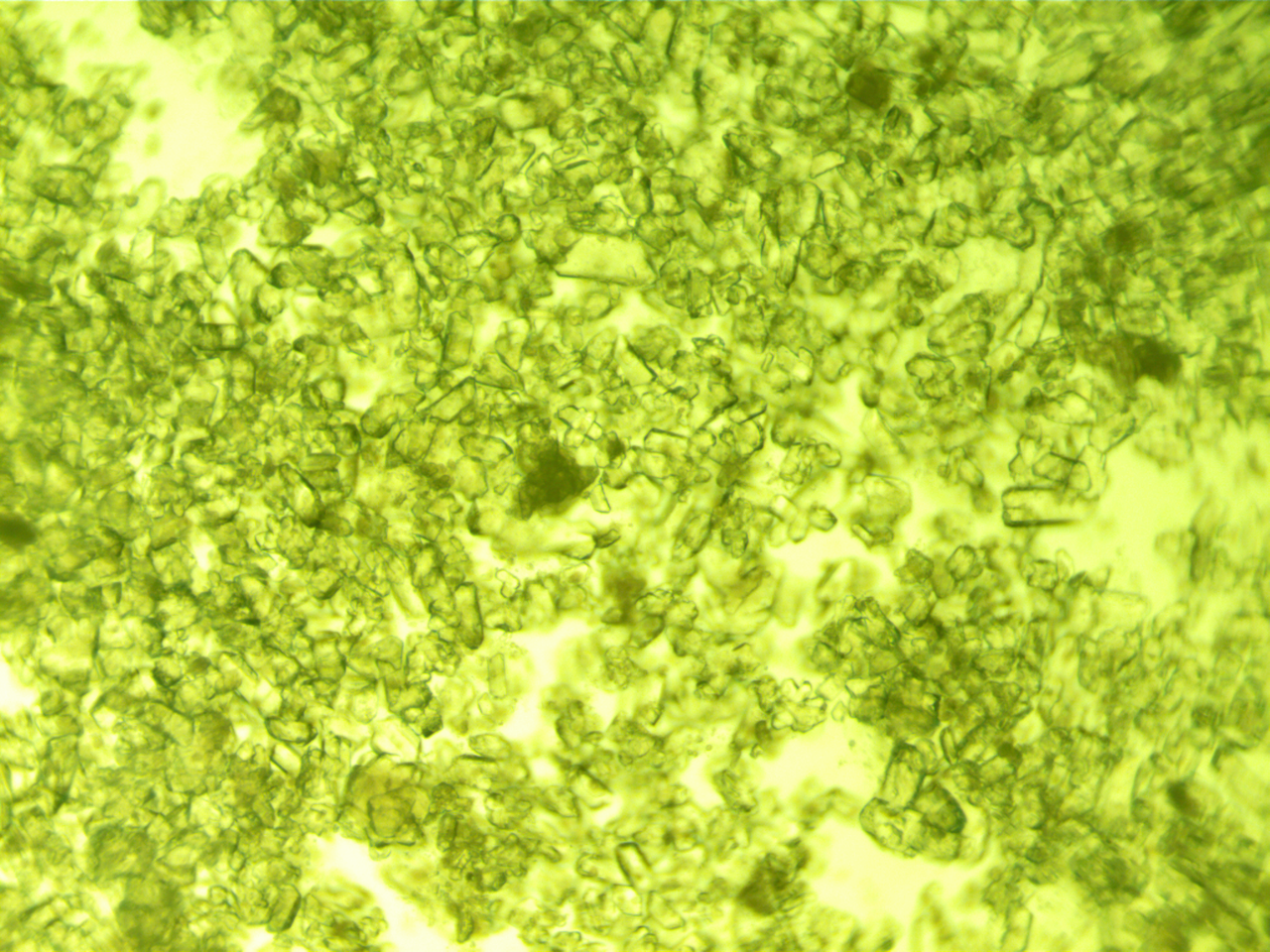
Precipitation / Crystallisation
To this end, we have developed a process that simultaneously removes phosphorus and significantly reduces ammonium concentrations (by up to 93%) through the precipitation of struvite.
Struvite crystals are composed of ammonium, phosphate and magnesium, and can be used as a phosphate fertiliser. In this way, pollutants are transformed into valuable resources while protecting the environment.

Do you have any questions about Circular’s solutions?
Feel free to get in touch. We will be happy to answer your questions!
* required fields